Restingmotion

  • Welcome To the Whirlwind

    So far, and I do realize we are only, what, six weeks into the new year, 2026 has been shaped by an interesting contrast between periods of swirling activities, offset by pools of dead calm.

    You would think that I could keep up, but apparently I cannot.

    I went to Lincoln to visit my friend Liana. Well, I wanted to see an opera in Omaha and I am lucky to have a friend who lives in Lincoln, and who also loves opera.

    But first we saw a play. Nebraska Wesleyan was putting on a production of The Gas Heart, an avant-garde play by Romanian-born, French poet, Tristan Tzara, from the early part of the 20th century. Tzara was one of the founders of the DaDaist movement.

    I personally found it very interesting that I happened upon this play at a time when I am rereading Gertrude Stein. They are very different, and yet, just as this period saw a rejection of the received wisdom of the past, I can wonder about renewed interest in and relevance of these works today.

    I really liked the set (above). This was a great piece for drama students to stretch their skills, and there were some excellent and promising young actors here. I didn’t think the students quite got “DaDa” itself. They were almost too happy, too naive. I felt like they were playing whereas my sense is that the young avant-garde of the time were deadly serious. DaDa was a reaction to the irrationality of WWI, a rejection of brutality, but also of the status quo in politics, science, and art that had lead to war. Dada was anti-rational, anti-genius, probably even anti-art. It was a rejection of all that had come before, a rejection of the ideals of the enlightenment that had led to this moment in time. It is a play of deeply imbedded sardonicism. I did not see that here.

    Quite frankly, I am happy that these young people have not experienced that kind of upheaval and despair, the dissolution of the world in a sense that led to this artistic moment. But DaDa has become a part of who we are today, whether we acknowledge it or not. And many feel like we may be in another period of breaking norms. I can understand the interest in reviving these works. We don’t yet know where we are going, or what will develop. I am glad I saw the play, and the young people putting it on. It was thought provoking. What will prove to be the equivalent of DaDa today? Will there be a similar breaking with the past? Will we even recognize it when it occurs? Has it started already? Does the breaking itself require a kind of upheaval? I feel we are still looking to the past, and glossing over the present. I hope I am wrong.

    But on to other things.

    After absurdity and an exploration of the anti-cultural fringe of art (and I think DaDa is still on the fringe even thought its effects have permeated modern life) we moved on to a celebration of art in the mainstream.

    The Lied Gala was taking place the weekend I was visiting and I joined Liana’s group. She had told me that the green Vionnet dress would be perfect, and she was correct, even though I initially had doubts about cotton voile in January in Nebraska. But indoor events tend to be warm, and ladies evening clothing tends to be bare. It worked, and I felt quite festive. I enjoyed the evening and met a (hopefully) new friend, Becky, although I doubt we will see each other much because I rarely go to Nebraska.

    And then, finally, the opera.

    Carlisle Floyd’s opera Susannah provided the impetus for this trip. I wanted to see the opera, again, as I had seen it once before in a disappointing production. At that time I felt the opera was interesting and showed great promise. I wanted to see it again, much the same way I sometimes want a cookie to erase a bad taste in my mouth.

    My wish was fulfilled as this was a fabulous production. I loved the stark, abstractly modern simplicity of the set when we walked into the theater. I loved the way that the scene changed with the use of projections onto the stage, from the starkness of a church to the beauty of the Appalachian hills.

    The singing and acting were also excellent. It is a powerful opera, exploring the innocence of youth, the dangers of groupthink and the ways fear leads people to do terrible things. It is also a great story with beautiful, familiarly American, and effective music. The story is a powerful melodrama about an innocent young woman who is victimized by a narrow minded Evangelical community in rural Tennessee. I admit that I like contemporary, modern, and 20th century opera. I also admit that not all of those operas have the potential for popular appeal, but this one does, at least in my mind. It has everything I see and hear in Puccini except that it is uniquely American.

    I know that Floyd wrote this when he was still in his 20s, during the height of the McCarthy era persecutions. In many ways its subject may have been challenging in the 1950s. In some ways it may still be so today as we seem to be experiencing another period of narrow-minded fear-mongering polerization. This opera does what opera is supposed to do, tell a story, carry us away, fill us with compelling emotion, while at the same time reminding us of our strengths, our foibles and who we really are. I really wish this opera would be performed more.

    It has been a week and a half since I returned, and I am just now getting my thoughts in order. There have been more than a couple of fabulous concerts at home as well, all of which I enjoyed thoroughly. I was late to the concertmaster series, and only heard part of the first half, but was luckily present for a lovely performance of Schumann’s Sonata for Violin and Piano No. 2. Then, just when my feeling about the KSO’s pops series was at a low, I attended the “Simply Swingin’: Great American Crooner’s” show featuring Steve Lippia. He was fabulous, even making me cry at one point, and I was happy again. The musical abundance concluded with the Gesualdo Six at The Episcopal Church of the Ascension, performing a beautiful, introspective and calmingly luscious assortment of songs — the high point of my first week back.

    Of course there will be more, there will always be something new. I started this post thinking of events competing for my attention, thinking of the things I must miss, and I am reminded of all the marvels that I enjoy in my life. Not a bad way to start the morning.

  • I can sew for miles and miles

    Remember that Vionnet Dress I started in October? My expectation was never that the dress would be completed at the end of a week. It was not. The entire week was spent sewing narrow hems, what felt like miles and miles of narrow edges. It was not difficult sewing but it was meticulous sewing, the kind of work that takes much patience and attention to detail.

    When I returned home all that remained was to sew the dress together, four straight seams, and the shoulders. But this is a summer dress and fall was ramping up, so I didn’t really start sewing again until after the turn of the New Year.

    Because the seam lines are all on the bias, I opted to sew them by hand. I used a fell stitch, joining the pieces with the wrong sides together. Actually, I went back and forth about this. Emily had noted that she had seamed her dress placing wrong sides together, but there was evidence that Vionnet had done the opposite, and I pondered this for a bit. Wrong sides together and the underside of the hem would be outward-facing on the floating triangles but the neckline hems would be turned down against the skin. Right sides together and the hem finish would be hidden on the floating panels but visible at the neckline. Or so I thought. This proved to be incorrect, but more about that later. I lost a day tootling about the inter-webs, looking at Vionnet dresses. and finally opting for wrong sides together.

    Note to self: If I make this dress again, and I intend to make a silk version, I will assemble it differently, with the right sides together.

    For my first fitting I simply basted the shoulders together, and adjusted slightly so that the neckline was low, but supposedly manageable. I knew there was to be a twist at the shoulders, but I thought, once again incorrectly, that this would require only minor adjustments to the fit.

    The illustrations in the Japanese Vionnet Book (this is pattern #3) show the shoulder twist quite well, but even so it took me a while to figure out what would work with my fabric and my body. But even so, given my dyslexic difficulty with right/left/and mirror images, I had trouble translating what I saw in the book to the actual fabric in my hand. But I got it eventually.

    I basted the shoulders together and tried on the dress. This proved to be a learning experience.

    The. deep neckline, which I had originally felt was manageable, was now unwearable, although I might well have worn it in my 20s. The twist pulled the upper part of the neckline outward, creating a much more visibly plunging neckline. There were multiple factors at play here, not the least of which was due the fact that I was working with cotton voile and not a delicate silk. There is a big difference between a plunging but very narrow neckline, and a wide open plunge.

    Now the problem became how to fix it. Simply pinning the neckline together at the center, which would require either a fold and a tack, or moving the center seam didn’t work. The resulting drape of the dress looked matronly, not at all the look I had been aiming for.

    I went back to Emily Magli’s photos of the dress, shown in this blog post (as well as on Emily’s blog). I noted that Emily seemed to have positioned the twist more toward the back of the dress, which allowed the front neckline to lie flat. But a back twist looked terrible on me. Another round of research ensued, and I found multiple versions of the dress, with the twist placed in different ways, all of which altered the way the dress hung on the body although the construction varied only slightly.

    I had permission to play, but I struggled to come up with something that worked for me.

    Eventually I grew frustrated and tied knots at the shoulders, mostly just to see if I could create a neckline I liked. Surprisingly I really liked the knots. I liked the way the neckline lay flat, and felt it was also flattering. I thought that although the knots were more casual, they suited the cotton voile. This was always a “summer garden party” type of cocktail dress in my mind and the knots fit that slightly more casual vibe. Also the twisted seam looked bulky compared to the wispiness of the dress, whereas the knots made the bulk look intentional. I was sold. So I simply sewed the knots in place.

    Voila! I finally had the dress I imagined.

    I love this dress. I am also thrilled that I finished it in January, giving me a good start to the year. I’ve finished two projects this month, and I adore both of them, even though only the sweater is seasonal and getting much wear now. Eventually the weather warm. Eventually, I will have photos of me wearing the dress, but not today.

    I am still thinking about making another version in silk. Unusual as it is, I think there is room for more. This is not a dress to be worn everyday, but a dress for occasions. It is lovely and very forgiving.

    That second Vionnet-inspired dress will not appear immediately. There are many other things I wish to make. But I am eager to sew, both generally, and specifically with silk. Yes, it is true, I dream of miles and miles of tiny seams.

  • Salad Freak

    I’ve been in a salad state of mind. Odd for January that, actually, odd for me generally. Although I love vegetables, salad is not usually my default unless I have some very very good, fresh from the garden produce, and even then I tend to prefer cooked vegetables.

    Part of my renewed interest in salads is because one of my cookbook club selections for this month is the new book, Sabzi, by Yasmin Khan. I like Khan’s previous books, Ripe Figs, Zaitoun and The Saffron Tales, and so was surprised that my reaction to this book has been decidedly meh.

    There are a good dozen recipes or so I would consider cooking, and I cooked six of them, but even so my reaction to this book remains undecided.

    Why don’t we move right to the recipes?

    I made this fennel, avocado and pistachio salad early in the month, when I still had a nice fennel bulb in the fridge following holiday cooking. It was a lovely salad, with an appealing combination of textures and flavors. I was especially entranced by the way the fennel and the fresh tarragon played together, yielding a complex brightness, as well as the way the softness of the avocado both accented and softened the crisp anise of the fennel. . It reminded me that I need to put more tarragon in salads, something I did regularly when I lived in the Hudson Valley and grew tarragon. It seems I am going to be planting some tarragon in the garden.

    This was the least successful recipe, one of those rare instances where, for me at least, the final dish was less compelling than any of the individual components were individually. The combination of roasted broccoli, radishes, and dates was delicious. I would happily serve this combination on its own as a side. This is remarkable in a way just because, although I love roasted radishes, I don’t often like them combined with other roasted vegetables. The curried tahini sauce was fabulous with broccoli and dates, but I did not like it with the radishes, or the lentils. I would have preferred a basic tahina sauce, or no tahina at all, I’ll likely throw dates Into future batches of roasted broccoli, and explore the options with radishes, but otherwise would not make this salad again.

    Orange, radish and olive salad. Lovely, fresh, bright. I make a lot of variations on orange salads. Although this was very good, I can easily think of a dozen combinations I prefer.

    On the other hand, labneh with persimmons and harissa was a standout and something I would never have thought of on my own. The combination of persimmons with lemon and harissa creates the perfect balance of sweet/tart/spice. With the creamy labneh and fresh mint, every bite seemed to be a satisfying symphony of tastes. I could eat this as suggested, as a part of a mezze, but I could also have a bowl of this for breakfast, a light meal, or even dessert. Persimmons are often hard to find here, but I am determined to put more effort into finding them next year.

    Roasted Brussels sprouts with almonds, pomegranate and coriander. Basic roasted Brussels sprouts. I love the addition of pomegranate, but I’ve done that before.

    Dalaar, a fresh herb salt, made here with coriander, basil, mint and parsley in lieu of the native herbs which are not available in this country. This was good on many dishes. I think the proportion of her salt to herbs was a little high, but I can adjust that.

    Having reflected on what I have cooked from this book, I’ve come to the conclusion that is not the book for me. For the most part the recipes are simple, but so are the flavors. I found very little that was new or compelling. Perhaps the problem is just that I am jaded, that I have a lot of Eastern Mediterranean/Middle Eastern cookbooks, and I found no new insights. Aside from the persimmons, there is little here I cannot just whip up on my own, no cookbook needed. This is true of the persimmons as well, except that by the time persimmon season rolls around again, I will have forgotten.

    But I am also wondering if my reaction is more about my own general sense that the “veg forward” trend has been done to death. Don’t get me wrong. I love vegetables and cook a great deal of them. And I have a good sized vegetable-focused, vegetarian, and even vegan cookbook collection. I’m just not seeing anything that I find particularly creative or new or fills a niche that hasn’t already been covered. Although I know the author spent a lot of time on this book, the production quality feels rushed, as if the publisher was desperate to capitalize on a trend. I think the book suffers for that, although I do not think this is in any way the author’s fault.

    I’m still thinking about those persimmons though. I can’t imagine I would ever forget those persimmons.

  • Ahh, January

    January has been a month that has been simultaneously both incredibly slow and impossibly busy. One might hope that there would be balance, but instead the pace has vacillated between careening wildly down a steep hill and a dead stop.

    You would think I would have much to report. I do not.

    I made jars of marinated feta for my book club. I used citrus peels, bay leaves, red chiles, and pink peppercorns for the aromatics. The technique was from Samin Nosrat but everything else was a riff. I’ve already eaten my jar and made myself some more.

    I twisted my knee, and have since been battling an ongoing sinus headache. For a while I thought I was coming down with something but that something simply proved to be badly impacted sinuses, my ongoing sore throat due to annoyingly slow sinus drainage. Bah humbug.

    The 2025, “let’s grow out the hair” project finally came to a conclusion. I am really happy with the results. I don’t have the patience to dry my hair as nicely as they do at the salon. But that’s okay. I am content with my own sometimes frizzy version of the bob. Well, I guess you don’t see the hair as it blends into the darkness of my closet, but it is amazing how hairstyle and standing straight affect my ability to feel like myself.

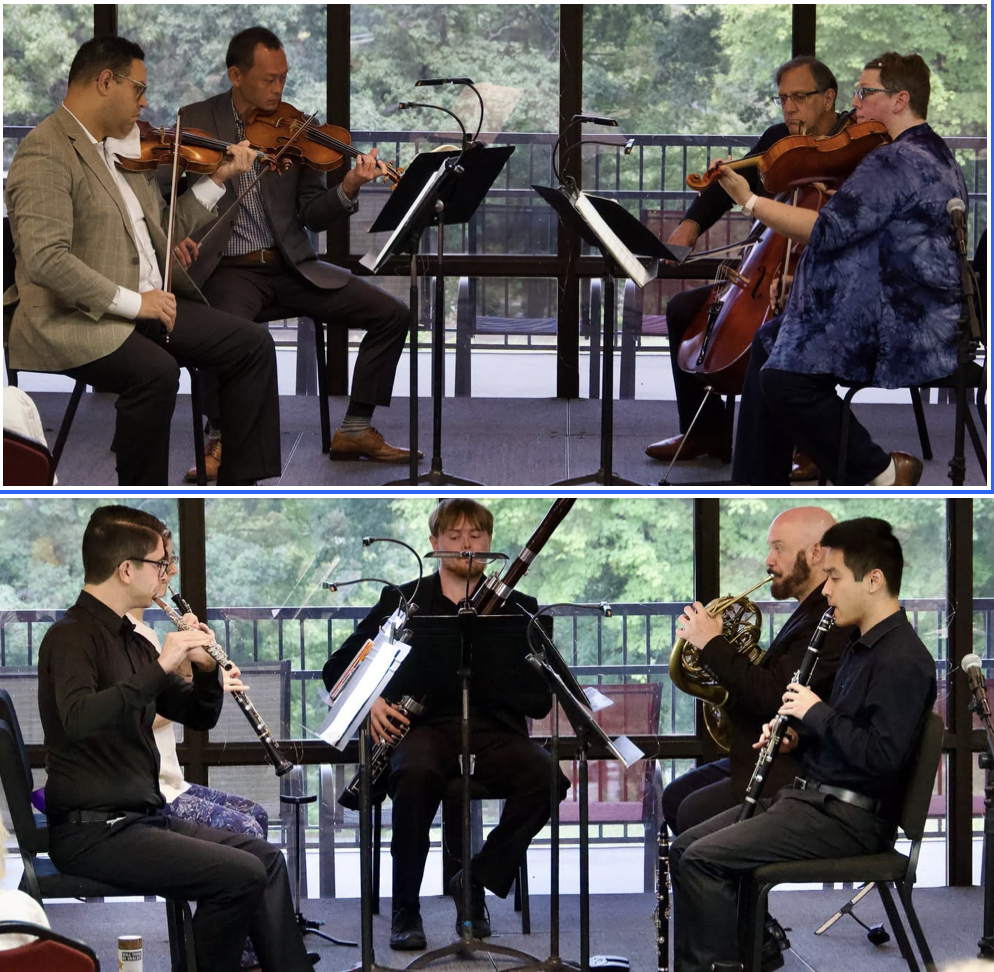
    I’ve missed a couple of fabulous concerts and events I was looking forward to attending due to the above mentioned clumsiness and sinus theatrics, but I know there will be other concerts, other events, etc. I did make it to the Q series concert on Wednesday however, and was thrilled by the contrast of the music, from two pretty contemporary pieces for wind quintet, and a Haydn quartet that was just beginning to bridge the transition from classical to modern quartet form. It was an emotional exploration from jagged disconnection to calmness. A concert to remember.

    Mundane as it is, I’ve also been happily employed pursuing basic home related tasks, from cleaning out closets, to pantry cooking , to even taking time to restock the freezer with time saving little hacks that make life easier.

    I never manage to get through a package of bacon, and buying a slice or two at Whole Foods makes no sense to me. The alternative? I buy a bulk pack at Cosco, 32 slices, and then roll each slice individually on strips of parchment into little ribbon-like rolls. My freezer box holds 30 rolled slices of bacon. Two slices for breakfast and I can freeze the rest, making it simple to pop a slice or two of bacon out whenever I want it. Easy peasy and no waste.

    What is going to happen next week, the last week of the month? Who knows. Am I on the fringe of the big winter storm or in the midst of it? While everyone in town was stripping the stores clean of bread and milk, beer and soda, I bought mirin and cooked pork belly sous vide. There are three large jars of different aged kimchis in the refrigerator. It sounds like the perfect winter weekend for kimchi jjigae. I suppose we will each weather the weekend in our own way.

  • Sweater Love

    I’ve finished my first project in 2026. It probably should have been a 2025 project, but hey, better to do it right than fast. And really, I am not lacking for things to wear.

    Introducing lavender clouds.

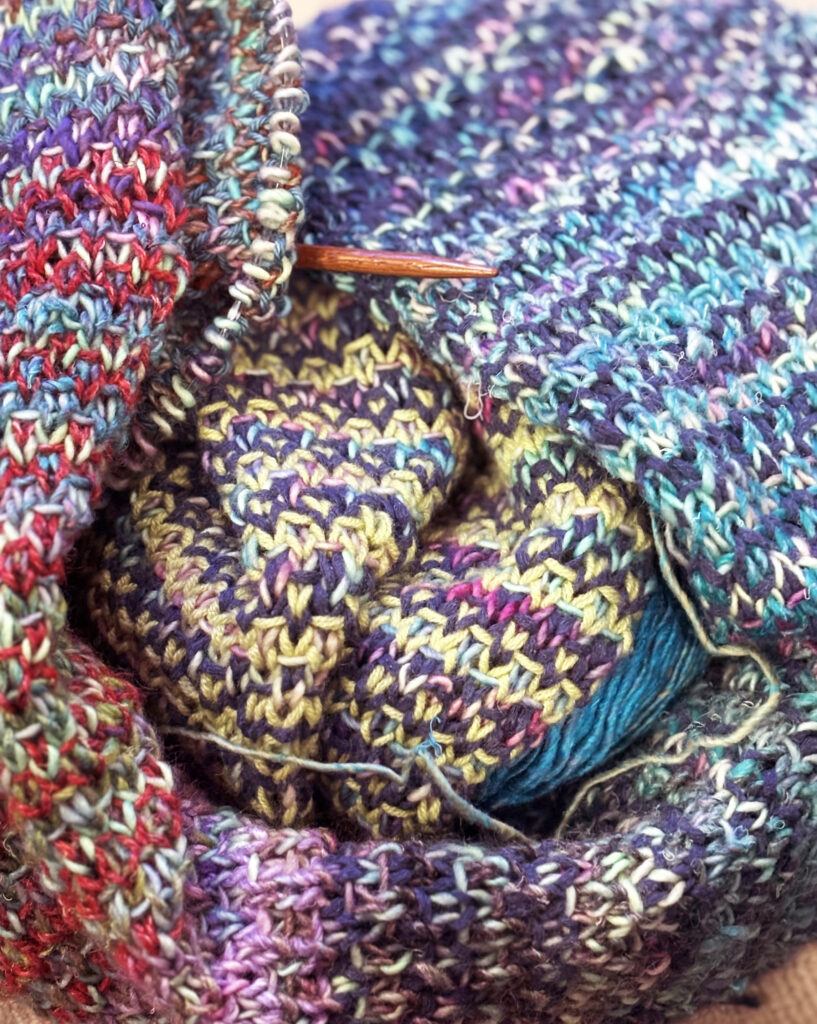
    The sweater was inspired by a yarn I saw in my LYS, Mod yarns Loopy de Loop in a really pretty lavender color. I wanted to use it to make the Cumulus Blouse by Petite Knits, which several people in the knitting group were knitting at that time. Of course I started just as they were all finishing up, and I am far behind the trend.

    The sweater is knit with two fine yarns held together and I knew I had other lace weight mohairs in my stash that might work so I took a chance and bought one 870 yard skein, which I felt was pushing it, but I was willing to take the chance.

    I ending up using this Artyarns Silk Mohair yarn in color 501, Bonnard. And I absolutely loved knitting with this yarn, (less so the mod yarns), and the combined yarns made a beautiful fabric.

    I made mistakes here and there, I wrote you earlier about how I lost my mind in the neck and shoulder shaping and had to rip the sweater back, when I was really about 2/3 done with it, a frustrating and also freeing process. The mohair boucle, Loopy de Loop, did not rip well, but it survived. I had already noticed that this yarn is far more likely to pill and shred than the art yarns, but I went ahead with the project.

    I really like this pattern. I intentionally made the sweater with less ease than specified in the pattern and I am very happy with the results. I am very happy with the style of the sweater, and with the finishing — icord edging at neck, sleeves, and hem.

    Although I love to knit complicated patterns, both cables and color work, the simple truth is that the sweaters I wear the most are the simple ones. This is at least partially due to the fact that I now live in an area with pretty mild winters. I like to knit fun complicated things, but I also like to wear things I knit. This was probably as fun a knit as I could ask for in a plain sweater. I loved the beginning and the shaping around the shoulders, but admit that the bottom of the sweater, just endless stockinette was a bit boring. Still, I would absolutely make this sweater again in a different yarn because this is the kind of sweater I love to wear most days.

  • Best Books of 2025

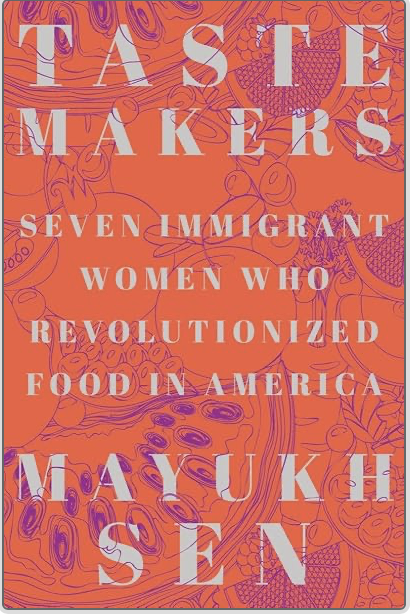
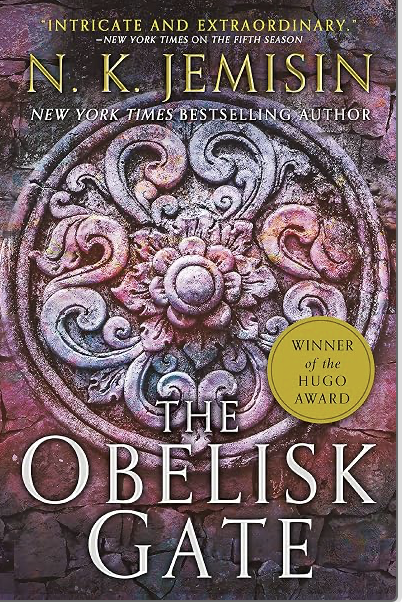
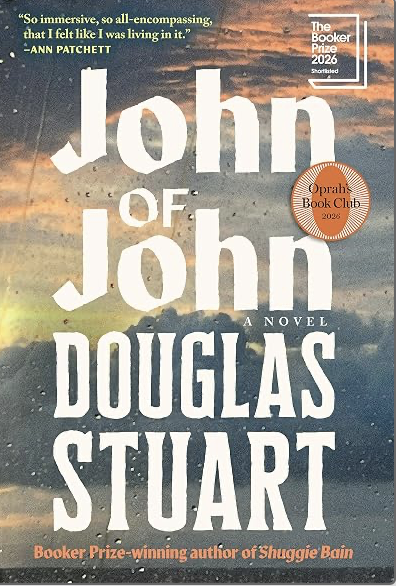
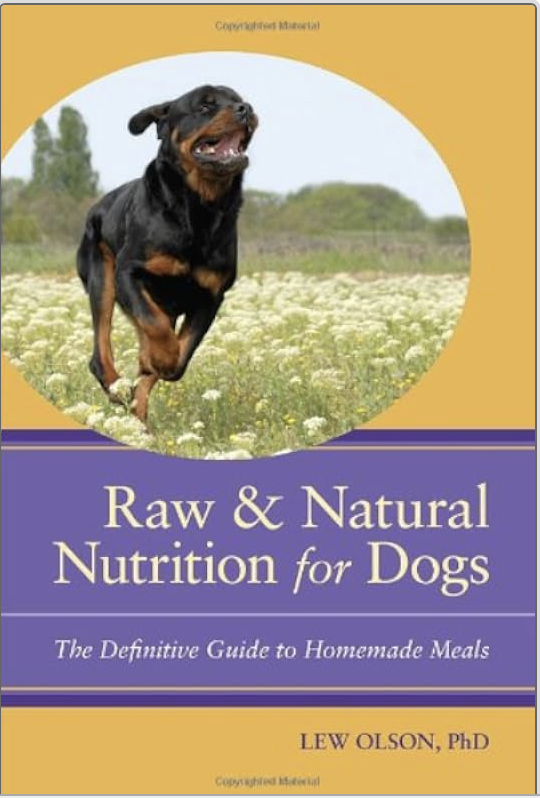
    Not “The Ten Best Books” but simply those that I read in 2025 that really struck me as exceptional, books I would hold onto to read and reread forever. As usual this list is highly subjective and is not based on critical acclaim or merit. It is simply the books I read last year that I most treasured and would most want to hang onto, were strict limits imposed.

    Three of my favorite books were cookbooks, perhaps a new record. All of them were excellent reads, all have recipes that work and appeal, and each of them has affected the evolution of my relationship to food and cooking

    Made in Taiwan won an IACP award in 2024 but I purchased it, and read it in January. I actually read it, cover to cover, before I began cooking from it. I’ve always loved reading cookbooks, but I had fallen out of the habit. Now, cookbooks almost rival novels for pure reading pleasure. I loved the author’s voice and her exploration of Taiwanese culture, but even more than that, this was the first cookbook I had read in a long, long time where I wanted to cook every single recipe, even the ones I cannot cook due to food allergies. A year later, I still feel the same way about this book. Everything I tried has been excellent. I am nowhere near having cooked everything but I am still cooking. This is a book I can escape into, but also a book I can bring to life in my own kitchen.

    The Art of Gluten Free Bread was released in October of last year. I have long followed Aran Goyoaga, both through her blog and her cookbooks. Despite the fact that most GF baking books I have tried have proved to be ultimately disappointing (her previous book is an exception), and I find most gluten-free bread functional but not crave-worthy, I was eager to dive into this book. Yes, I read it first. Yes, I am still baking. So far everything has been a success although some things, like sourdough are more of a process (see my previous posts here and here). I once baked bread regularly. Then bread broke my heart, and I slammed the door. Now that door is open. As I am writing this post, I am eating a homemade roll, a pleasure I had once thought lost forever.

    I had owned and cooked from Korean American for a couple of years. I liked it but didn’t really think about it much. Then it became a featured book in my second cookbook club. This time around I actually read the book, and I loved it. Kim is an excellent writer, and he really captures the spirit of family and heritage and the way food binds us together, which I think would resonate even with those who are not of Korean American extraction. His stories reminded me of fishing and cooking with my Mississippi grandfather, and of the many ways each generation interacts with food. Added to all of this, his recipes are fairly straightforward, and mix American and Korean sensibilities in an approachable way.

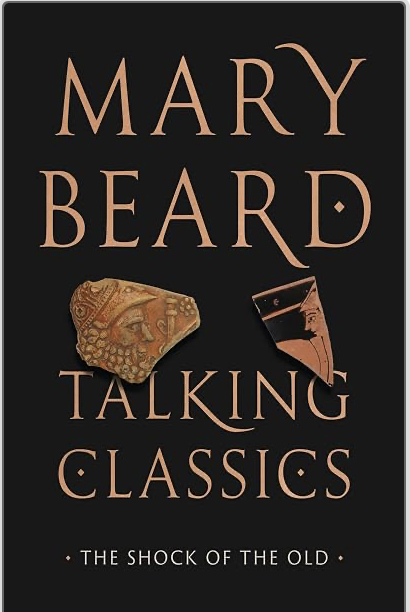
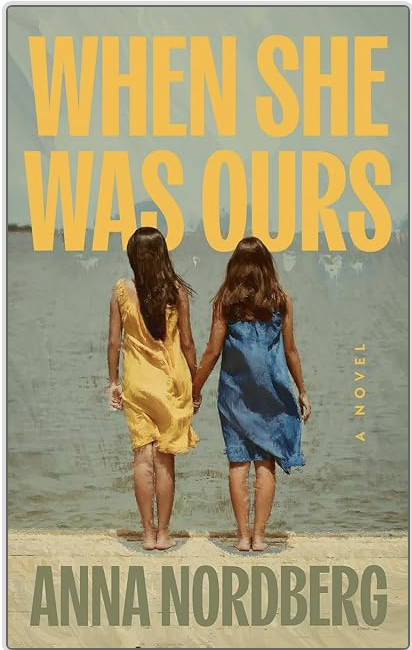
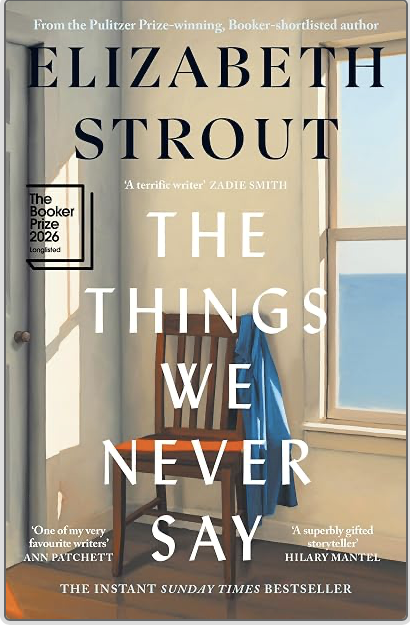
    And now, onto the other books. Most are fiction. One is clearly not. I’ll go clockwise, from the top left, ending in the center.

    I read Jumpha Lahiri’s collection of short stories, The Interpreter of Maladies, previously, when it was first published, at the close of the 20th century. I loved it then, but didn’t hold onto it. I reread it this year and was amazed at how well it had survived the test of time, how much more deeply the stories resonated with me now, having gained a few years of experience and wisdom (or at least experience). I read it earlier in the year and have dipped into it on multiple occasions since. I was not a lover of short stories as a young woman but that seems to have changed.

    Orbital was another reread. I first read it when the the 2024 Booker long list was announced. I read it again after it won. Then I read it last year, for a third time, when it was selected by my book club. With each rereading it revealed more depths. It is a very simple novel, in terms of plot and timeline, if there is indeed a plot, but that is not its strength. It is a fascinating meditation on life and on the earth, the planet that gives us life. I can admit that it is, in many ways very much a reflection on the zeitgeist of this age and the way we view the world around us, but that is not necessarily a bad thing. Each time I read it, I fall deeply into the prose. Each time I read it, I am sad when it ends.

    Discipleship by Dietrich Bonhoeffer is the only book on this list that is not a reread. It is the only non-fiction book. And it was the most difficult read of the year. And yet I loved it and am happy I read it. It is dense, intense, thought provoking, and often quite disturbingly challenging. Reading the book forced me to analyze my own beliefs and understandings of faith, religion, hope, and my own role in this journey called life. To read this book was not an easy journey, and there were times when I found wrestling with. Bonhoeffer’s words to be downright painful. There were sections of the book where I would spend hours trying to come to terms with an idea only to look up and discover I had only read one or two pages. And yet I can honestly say, that as profoundly difficult as this book was to read, I absolutely loved reading it. I love books that make me think, that force me to adapt and challenge my own assumptions, that rock me out of my own complacent bubble, even if only for a moment, even when that process is painful. I seriously doubt I will reread this entire book. But I will absolutely treasure it, and refer both to my notes and to certain sections again and again. Bonhoeffer and I still have a great deal to say to each other.

    Moby Dick, oh Moby Dick, how do I love thee? I loved the novel when I read it in college; I’ve carted that copy around with me all these decades. But had I read it in the intervening years? No. Am I happy I read it again last year? Most definitely. Rereading the novel, I remembered the beauty of Melville’s sentences, the beauty of the language itself. That is one reason to read the novel, but probably not one that will make it popular with modern readers. Parts of the novel reminded me of Medieval poems and plays with their lists and expositions. In other instances Melville’s observations and expositions felt quite modern, perhaps even disturbingly so to readers at the actual time of publication. Melville taps into the founding myths of America with all of their accompanying grandiosity and poignancy. It rivals any overblown television drama, at least if you, like me prefer to lose yourself in words.

    Last, but far from least, is a children’s book written by Gertrude Stein, The World Is Round. It is the story of Rose, who questions everything, and Will, who is always Will. I rediscovered this book this fall. Published in 1938, I seriously wonder if this would be published as a children’s book today, much to our loss. But I am biased and I believe we have oversimplified what children read. I read this as a child and loved it, but then I forgot who wrote it. I just remembered how happy it made me, this little book, and I remembered Rose’s little song:

    Why am I a little girl

    Where am I a little girl

    When am I a little girl

    Which little girl am I

    Even when I was eleven, that little song resonated and made me smile. Reading the book again as an adult, it still made me happy. It made me smile even though I now see the sadness that is also contained within the story. But you can’t have happiness without sadness. Perhaps that says something about people — those who see this book as sad, and those who see this book as happy. I am a member of the latter cohort. Please do not tell me what that means.

  • Baking Rediscovered

    Last fall I purchased Aran Goyoaga’s new book, The Art of Gluten-Free Bread. And of course I started baking from it.

    I haven’t shared much of that process with you. There were some initial explorations of yeasted breads — a lovely soft dinner roll, some soft bread twists, using the same base dough. I shared some of those initial explorations here. But then, radio silence.

    I didn’t stop baking, but my initial explorations were piecemeal. 2025 is now the past, and there is no point in exploring the reasons I was slow. I can say that my first attempt at creating a sourdough starter failed, probably due to a combination of factors, although my own inattention was one of them.

    Around the beginning of the year, however, my baking mojo came together. While I was refreshing my starter and preparing for bread baking, I finally made some of the recipes calling for sourdough discard.

    First up was this lemon-poppy seed sourdough pound cake. The texture is somewhere between a traditional pound cake and a quick-bread, leaning more toward cake, but with a delightful texture. The recipe specifies dividing the dough into two sections and adding the poppy seeds to only half, but I just mixed everything together, and frankly I like the result. I am not likely to change it now. The cake is brightly tart, and sweet without being cloyingly so. I’ve already baked this twice and am thinking of making more and keeping at least one of these at the ready in the freezer.

    I also made these delightfully chocolaty and intense olive oil brownies. These may now by my favorite, and only brownie recipe, which also means that I need to maintain a steady supply of sourdough discard.

    Although I was tentatively excited about the book and about baking, I was also cautious. Now I am all in even though I haven’t yet even begun to explore the bread-baking options. There is only so much bread I can eat, or will allow myself to eat perhaps. Luckily for the solo cook and diner, the freezer is my friend.

    I have however made progress on the bread front. Aside from those soft rolls, my only other focus has been on trying to make a sourdough baguette. I’ve got a nice sourdough starter now, and have made several versions of the baguette, each delicious, and each actually better than most of the GF bread I can buy, but each also somehow not quite where I wanted them to be.

    Perhaps I am just chasing some illusive memory of bread, something that will never be realized in its gluten-free incarnation. Only time will tell.

    This last batch however was a major step forward. I moved from caution to comfort with the process, and excitement at the possibilities. It wasn’t a perfect loaf, it was perhaps not a masterpiece of shaping, but the results were delicious, perhaps the best gluten free bread I have ever eaten.

    There had been issues with previous batches: the crust did not crisp enough, or brown enough, I needed to bake the bread longer than specified in the recipe, the bottoms were soggy. Once the dough was too wet, once too dry, but I do remember enough about bread baking to know that the weather affects that.

    This time I made a few small changes which yielded big improvements.

    I realized that my range came with a baking steel for oven. I had never used it as I really hadn’t done much baking. But I found it in the box of “stove accessories” and put it in the oven to preheat.

    I also used a linen kitchen towel as a couche for shaping and rising the baguettes. This worked well. I really needed a heavier towel than the one I had, but it was a good starting place. The tricky part was transferring the baguettes from the couche to the hot baking steel. I donated most of my bread and pizza making supplies when I moved away from the Hudson Valley as I had not been baking bread for a few years at that point, and did not foresee a return to bread baking in the immediate future.

    The bread felt awkward in my hands. Although the way a bread dough is supposed to feel is coming back to me, I have not regained full bread-making muscle memory. So as I awkwardly handled the bread, I placed it on the hot steel in a not very graceful manner. My baguettes were a little curved and atypical in form.

    Shape made no difference in flavor however. The next batch will be even better. I still want to work on perfecting baguettes, but I am also getting ready to push forward into trying more things. No rush.

    It is raining outside. I hadn’t decided what I wanted for lunch. A cup of soup appeals, but now that I have been writing about bread, I am thinking that soup and a sandwich would be a fabulous lunch. It’s been a long time since I’ve actually wanted a sandwich for lunch, actually craved a piece of bread. Yeasty excitement ahead.

  • Lights! Christmas! Meditation!

    My grandson picked me up for a drive and viewing of the lights on the evening of January 1st. We knew it was late, but hoped that some of the displays would still be up. There was still plenty to see. There was also little traffic and much opportunity for extended conversations. Really, although the lights were fun, and a great excuse, it was the conversations I was after. I remember riding in the car looking at lights after the Christmas Eve service as a child. My parent’s goal was to lull us back to sleep. Sixty-some years later the goal was conversation, and a tradition neither new nor old but evolving.

    I think our late-season outing was special, not just for the conversation, but because sometimes the Christmas season feels like it is all build up, followed by quick disappointment — the door opens, the balloons fall, and the party ends. All around me trees are coming down by Boxing Day, if not Christmas afternoon itself.

    Driving around to look at lights, a hot mocha in my hand, while talking about life with my grandson felt like an extension of the season of hope. It was certainly one of the special joys of the holiday season. The conversations shone brighter than even the brightest of lights perhaps.

    I’m certainly not immune to the joys of Christmas lights. Not Immune to the joys of Holiday Cheer. Not immune to ritual. It is just that sometimes I feel off-kilter with the world around me. I love the ritual preparation of advent, well, most years anyway. Christmas never seems to start until Christmas Eve and then it feels just as I am waking up to holiday magic, the world around me is folding up and going home. I wish for a full twelve days of celebration, of sharing, of times with friends. I do always manage some of that. I want to bookend my holiday, not with New Year’s, important as it is, but with twelfth night and Epiphany. I want the the three kings. I want to put out my shoes and a touch of hay for the camels. I want to wake up to oranges and chocolate (my own personal family traditions).

    Maybe one of these days I’ll go back to Spain for twelfth night, brave the crowds, and see the Cabalgatas de Reyes in Madrid again. But then I would be away for these magical moments with family, with friends, the joy that sneaks in even on the dreariest of days at home. I don’t really need to escape. I need simply to celebrate what is here every day. Going back is pursuing a past that no longer exists. Madrid is no more what it was in the 1960s than Knoxville is, or Dallas is. The world has changed. I have changed. But we still seek out lights and greenery.

    Interesting. I started off thinking of lights and blow up ornaments, of conversations with a vibrant nineteen-year-old and the hope and fascination with the world that spans generations, and I ended up here. I ended up thinking of what exactly? Yesterday. Today. My nineteen-year old self still resides in a corner of my sixty-seven year old psyche. Two people, two generations, in a car, talking about the world. Driving around in a different world than the one I drove around in when I was my grandson’s age. And yet the same. Hope in the midst of darkness. Light. Exuberance. Joy.

    I also realize I don’t really know what I want, or what I am thinking here. I am remembering specific Christmases. But the Christmas I have now is nice. I want to celebrate, but I also want a week-long hibernation between Christmas and New Year’s, a cozy season of sweats and sweaters, hot chocolate and naps. I want the Christian Christmas story as it has evolved with the wise men. I want the Coca-Cola Christmas story that we in the United States have created over the course of a century. I want A Miracle on 34th Street and The Santa Clause and Schroeder playing his piano while Charlie Brown rescues a lonely tree. I want candles, and greenery and whatever makes people happy. Holiday rituals don’t have to be my rituals.

    I suppose what I really want is for the world to stop being cruel for 12 days, not because my tradition tells us so, but because all our traditions tell us so, because our better natures tell us kindness is good, but also because we could all use a mid-winter break.

    What secret joys, what conversations and connections will appear when I finally stop building igloos around my heart and allow the ice to melt? When the world allows the light to enter the darkest corners?

  • Year’s End

    I intentionally planned for the final week of 2025 to be spent quietly at home.

    I’ve been reading Q.E.D by Gertrude Stein, and thoroughly enjoying it. This is Stein’s first, and by far her most “traditional” novel. It was the first novel she wrote, although t is was not published until after her death, as it is also quite autobiographical. In the novel Stein, as Adele, explores her youthful passion and love for May Bookstaver. It is beautifully written and I am quite enjoying it, my first stop in a journey to read and reread the works of Stein in order.

    I am going to have to jump ahead and reread the Autobiography of Alice B. Toklas when I finish this, probably beginning tomorrow, as it is the book for my book club next week. I always thought that the Autobiography was one of Toklas most accessible works, but I hadn’t read QED until now. I also thought it was her least interesting work from a literary perspective. But that was 20-some-odd-year-old me. We will see what I think now.

    Back in November I read Gertrude Stein: An Afterlife by Francesca Wade, because it was suggested as a “bonus book” for book club and it was available at my local Barnes and Noble. I don’t know that I learned much that was new to me about Stein, or her writing, but I found the sections involving Leon Katz and his relationship to Stein fascinating. I don’t know that the biography changed anything about my perceptions of Stein, but it did prompt the decision to reread Stein’s works.

    Katz, however, was pivotal in my own education and I suppose in the person I am now in some ways. He was a visiting professor at Vassar one year (on sabbatical from Yale) and I took two courses from him. One on drama, where we studied Genet, Becket, and Brecht, and another on modern novels, which included works by Stein, Barth and others I do not recall at the moment.

    When I signed up for those classes I was mostly interested in older English literature, pre-1800 (and still am) and I thought of modern literature only as entertaining, insignificant, fiction. I wasn’t interested in studying it. But Klein changed my perceptions. I fell in love with the writing of the authors we studied, and I branched out into new to me territory, reading Apollinaire, Verlaine, and Éluard among others. I started going to BAM. This was in the late 70s and early 80s and fabulous things were going on. I became interested in modern music and dance, including modern opera through performances at BAM, and all this was led to the woman I have become. I am now an opera lover, but I came at it backwards, from John Adams and Phillip Glass, among others, back to the composers who are now considered classics in the genre. I still want hear and see new opera; I find I can easily grow bored with the standard repertoire. Much as I do love it, the same things tend to be performed again and again. Much like the classical musioc repertoire I suppose, where I also sometimes grow bored.

    I am also reading a cookbook, Mokonuts. This book is not a selection for one of my cookbook clubs. I bought it just out of curiosity, because I saw an online preview and something caught my eye. I’ve never been to the restaurant, and really knew nothing about it until the book came out.

    In fact I have a love/hate relationship with chef cookbooks. Sometimes I love them, even if they are books to read more than books to cook from, because the good ones teach me new techniques and new ways to think about and taste food. Those books do change the way I cook, and although I may not cook entire recipes from those books, they are a part of the cook I am today.

    Other books are just too — something — not just cheffy, not just pretentious or ambitious; I suppose it is that they just don’t speak to me, don’t make me see the world with some new-to-me insight. This book does that — changes the way I think about food. In that sense, I think it is, in some ways, similar to books by Stein, and literary writers, or composers, or artists in other mediums.

    This book does speak to me. I am reading as if it is a good novel, and already, even though I haven’t actually cooked anything from this book yet, it has changed the way I look at the food in my refrigerator when I open the door, the way I both think about and prepare the food I intend to eat. I have altered a technique here or there, and I am thinking about the ways I can use this book, thinking about the foods I buy, and grow, and cook,

    There are cookbooks, rare actually, that so inspire me that I want to cook absolutely everything in the book, where everything seems full of potential and I feel like a kid in a candy shop when I open their covers. This is not one of those books, but it is very close. There is something I want to make, some technique I want to try on nearly every page. Some refinement. Some new insight. This book makes me want to run to the kitchen and play, but it also makes me want to sit back and savor flavors, to ruminate, to taste, and yes, to dream. I will not be making the recipes in this book in exactly the way they are presented. Those are recipes for this restaurant, not for my home. And yet, I will cook. I will also read. I will savor the words and the flavors as they drift through my head.

    A new year. is dawning. A new idea is forming in my head. I am not the woman I was yesterday. I am not yet the woman I will be tomorrow. What ideas will take fruit?

  • Year End Musings

    Somehow December got away from me. No, this entire autumn got away from me, and although it is not the goal of this blog to vent and moan and carry on about the unfairness of life, it is also not my intention to pretend like everything is always hunky dory.

    Of course, Thanksgiving was late this year, and although Advent is always the same number of days, the holiday season itself seemed compressed. Maybe that was just because I was still recovering from my fall in October, and various residual back and leg issues. The simple truth is I never fully recovered from the stress of trying to save this blog when typepad ceased hosting, and as you can tell, I never finished setting up this blog. I just hopped along from one mini-crisis to the next — stress, injury, a mid-December trip to Texas — all contributed to an Advent that felt not so much eagerly anticipatory but rather anxious and overwhelming. I used to avoid going to Texas in December, something I now see as wise.

    And then there was Christmas itself, which brought a reversal of my mood. Christmas Eve and Christmas morning, joy sparkled in the air, sparkled in my heart even though I was still a little too tired to let that joy trickle all the way down to my toes. Christmas always does this to me, even a tired and overwhelmed me, the symbolism of hope made real in the world around me. The world itself may not change but my perception of the world changes, always and consistently, year after year. And of course that is what the “spirit of Christmas” is all about whether you are religious or not, Christian or not. There is a reason that ritual surrounds the winter solstice; a reason we need a turning from darkness to light, the bright star of hope.

    I rediscovered some misplaced aspect of myself this fall, although the process of digging through the rubble was indeed tedious. I missed my normal springtime bout of inner angst and growth, often correlating with lent and Easter, and got served a double dose for Advent. Although I can honestly call it an act of preparation, not an act of penance.

    I am still behind on everything. Four months circling the slough will do that to a person. But it is not so much a burden at the moment as an organizational project. I always have loved me a good project.

    I’m not going to make resolutions. I probably won’t even do a year in review post, although I may go back and catch up on some reading or cooking. What I do know is that whatever comes next cannot be worse than what came before, if only because I am no longer willing to allow despair to shape the terms of engagement. Yes things go wrong. No one was ever promised ease, or comfort, or safety. Accepting that truth slams the door on denial and opens the door to joy.

    This is my week for sleep and rest, not just sleep as recovery, but sleep as healing, as strengthening. I choose to live with joy and I am stronger than I would have said I was a few short months ago. I choose forward motion. But in the meantime I am ready for another nap.