I’m still kind of figuring myself out here, once again, and it is obvious that I could be putting some time into finishing this site. But obviously that is not a high priority.
In October I read only three books, and two of those were cookbooks. Of course a lot was going on in October: two trips, a fall resulting in a badly sprained ankle, a general falling behind and piling up of backlog. All in all, I still think it was a good month,
Cookbooks were the interesting thing this month so I wills start there, although I really didn’t do that much cooking for reasons stated above. But I read two cookbooks, and they were fascinating.
The Kitchen Arts and Letters cookbook club was focusing on bread baking in October and we were working through two texts, although members need only choose one. I opted for both.
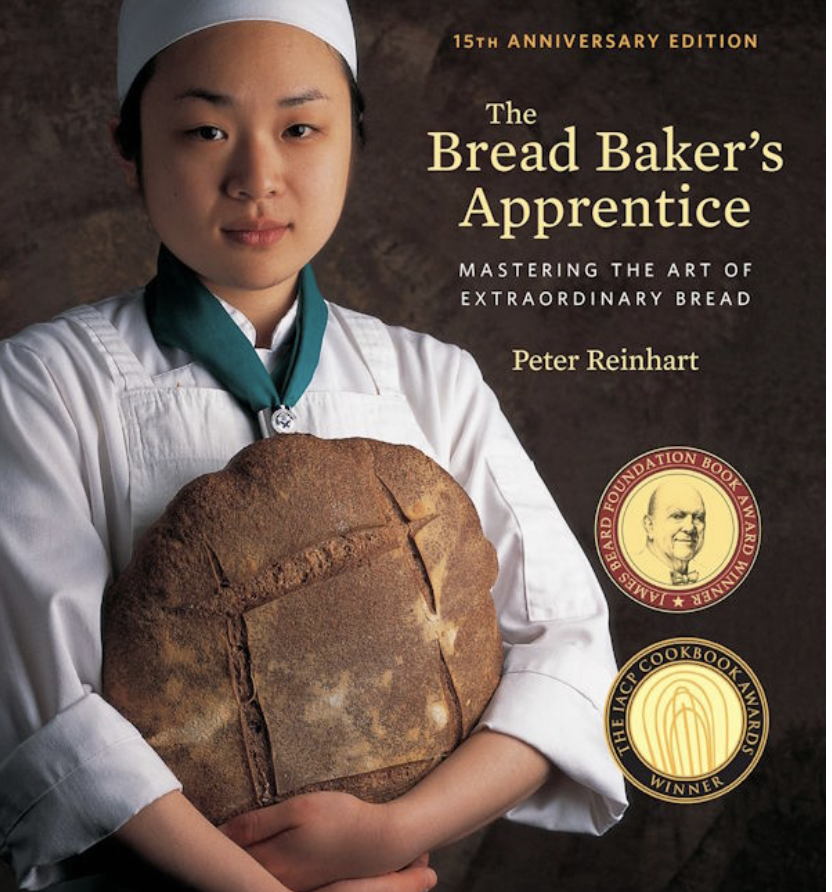
Although I have always loved reading cookbooks, loved reading the recipes as much as cooking, it is only within the past year that I have somehow delved more deeply into cookbook reading. Alas that now means that I want a cookbook that I love reading as much as I love cooking from it.
Or perhaps I am also content with a cookbook that I love reading but will probably rarely, if ever, use directly to cook, or in this case, bake bread. The Bread Baker’s Apprentice is a great bread book. it is very detailed, very technical, and perhaps more serious than the casual bread baker would want. I loved reading it, loved Reinhart’s storytelling as well as all the technical expertise. I learned a lot about bread reading this book, and I was once pretty serious about baking bread.
Of course that was before I discovered I was celiac, and I am afraid I have not been particularly devoted to gluten-free bread baking. Still Reinhart’s information on technique is excellent and there is actually a lot of information here that I believe would be helpful in any bread baking journey. Most of the recipes and techniques however are not going to translate directly. I am fine with that. Reading this book I feel I have gained a better understanding of bread.
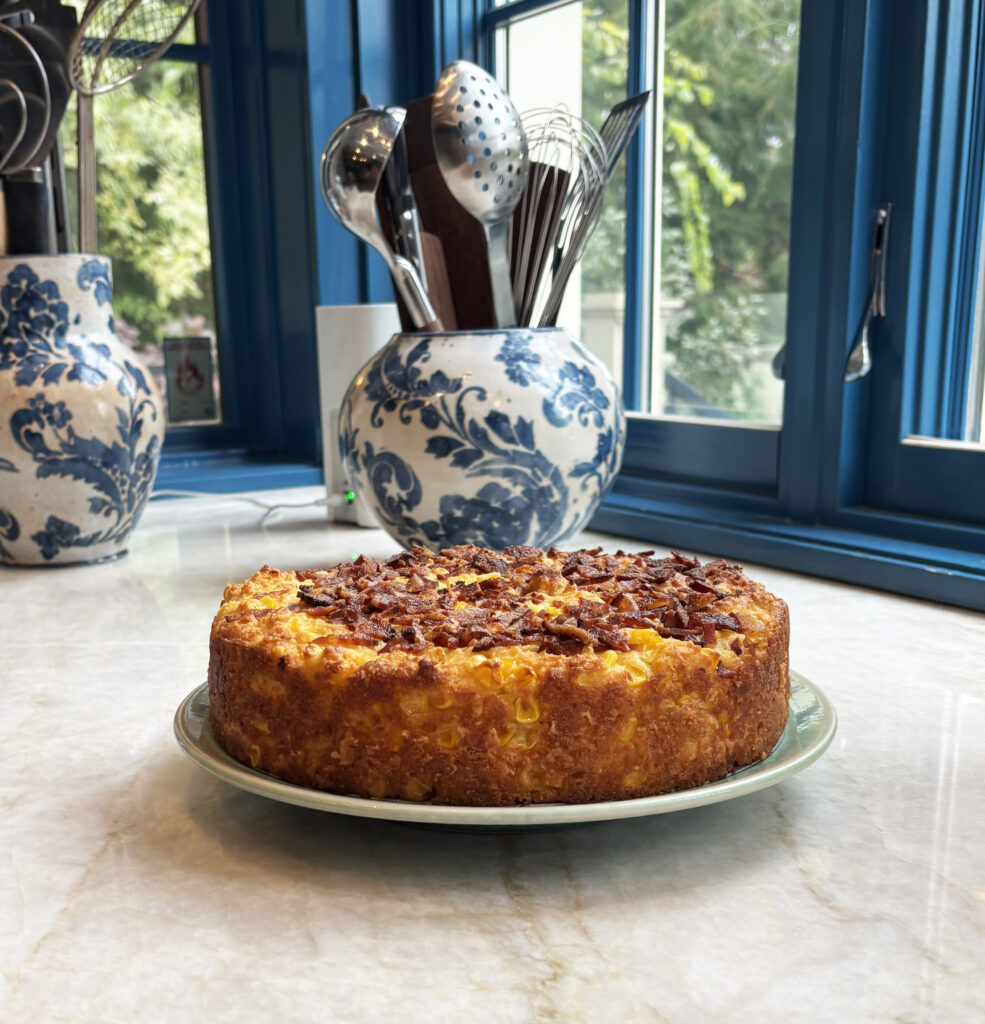
There is one recipe in the book however that was not typical of the rest of the book, the one recipe for cornbread. Cornbread is not a yeasted bread, which makes it an anomaly here. But I loved the way Reinhart wrote about cornbread; he made me think about my own love of cornbread. And although Reinhart states outright that he likes sweet cornbread, and I normally do not, I wanted to make his cornbread. He also used an interesting technique, one I had not used previously, and I thought this would be a useful experiment. If successful this technique could expand my cornbread horizons beyond the simple traditional cornbread I most often make.
The cornbread was a success. I loved it. It is sweet, and although I might like the bread itself to be slightly less sweet, I loved the complexity of the way the three varieties of sugar played together, as well as the way they made the corn kernels in the bread pop with a glisteningly sweet, tender, fruity, almost candy-like bite. I The combination of cornbread, sweet corn and salty bacon was an addictive bite. The cornbread keeps well, surprisingly well, and even more surprisingly, made excellent toast. In fact toasting brought a bit of caramelization to the sugars, which was even more enticing to me than the cornbread fresh out of hte oven. I would not be inclined to mess with the sugar in this recipe because it contributes to all of these qualities I find attractive; it is simply a sweetly savory cornbread.
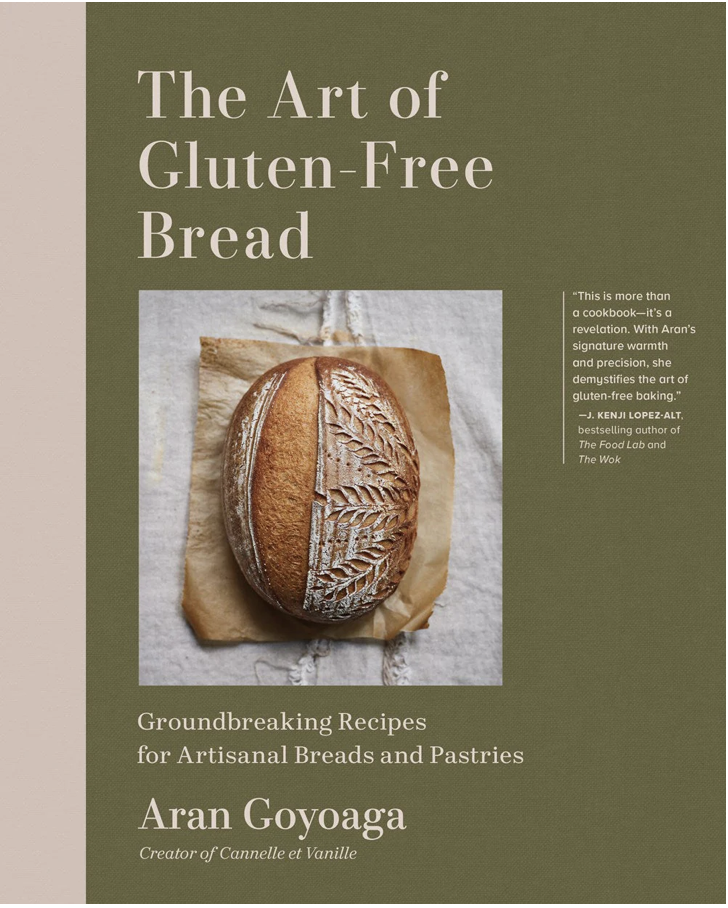
I had been looking forward to Aran Goyoaga’s baking book since before it was released, and I was very happy when it was chosen as an alternate book for the cookbook club. It too is a great read, and I loved the amount of detail Aran gives about gluten-free baking, her own personal history, and the recipes themselves. The fact that she also discusses how to make the same gluten-free breads either dairy free or egg free when possible, is an added bonus.
Unfortunately, because my time at home in October was also primarily “rest and elevate” and non-weight-bearing time, I did not get a lot of baking done. That is not a probelm, it simply means my use of this book has gotten delayed.
My first attempt at a sourdough starter failed. This could be because I hadn’t yet turned on the heat and my kitchen was at a chilly 62 degrees. It is also possible that I, addled by pain and pain meds, skipped a feeding. I’m not going to worry about that; there will be a sourdough starter in my future.
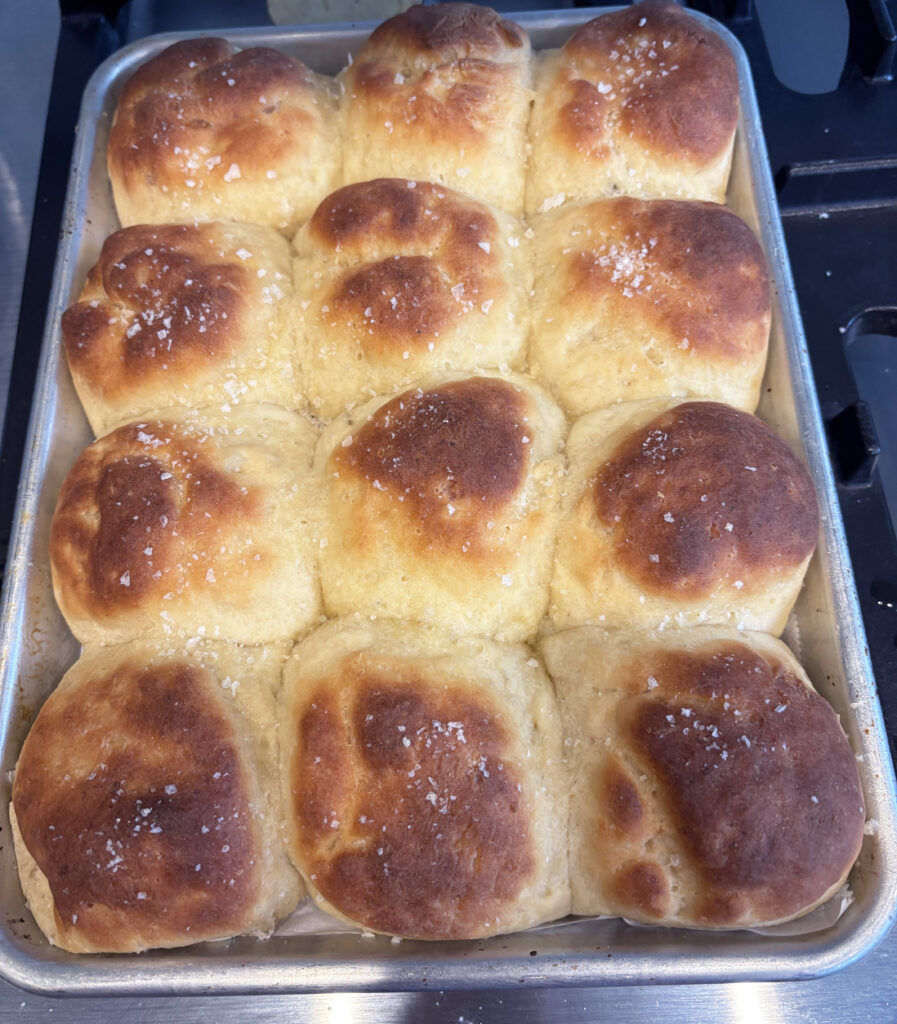
Early this month however, I did make Goyoaga’s recipe for soft and fluffy potato rolls. These are the best gluten-free soft rolls I have ever made, and probably the best or very close to the best gluten-free soft rolls I have ever eaten. That is high praise, and they are not difficult.
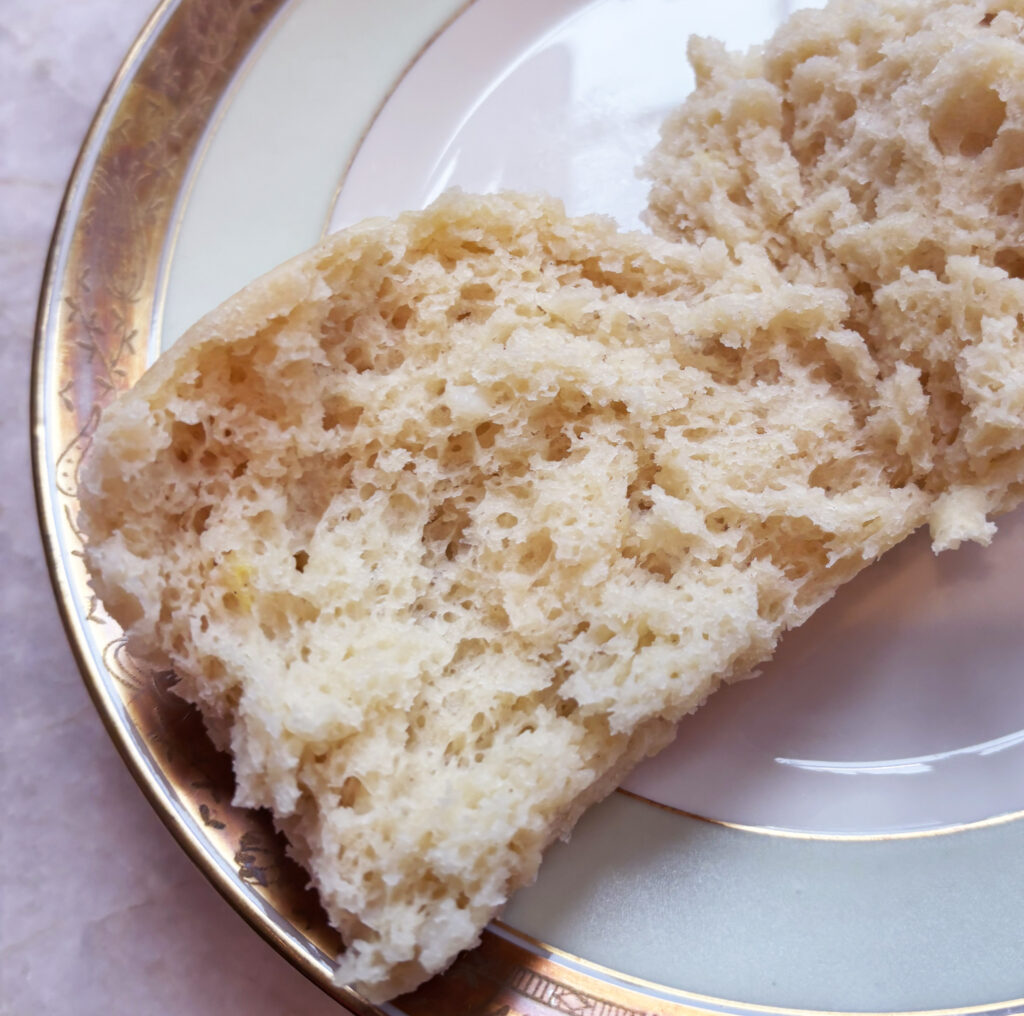
They certainly have the best texture I have achieved in a gluten-free yeasted bread. With such a success on my first attempt, I am even more excited about moving forward with this book.
But on to other things. The third book I read in October was a collection of short stories, Likes, by Sarah Shun-Lien Bynum . This is atypical for me because I am really not a reader of short stories. There are short story collections I love; for example I reread Jumpha Lahiri’s collection, The Interpreter of Maladies earlier this year, and perhaps enjoyed them even more than I had the first time around.
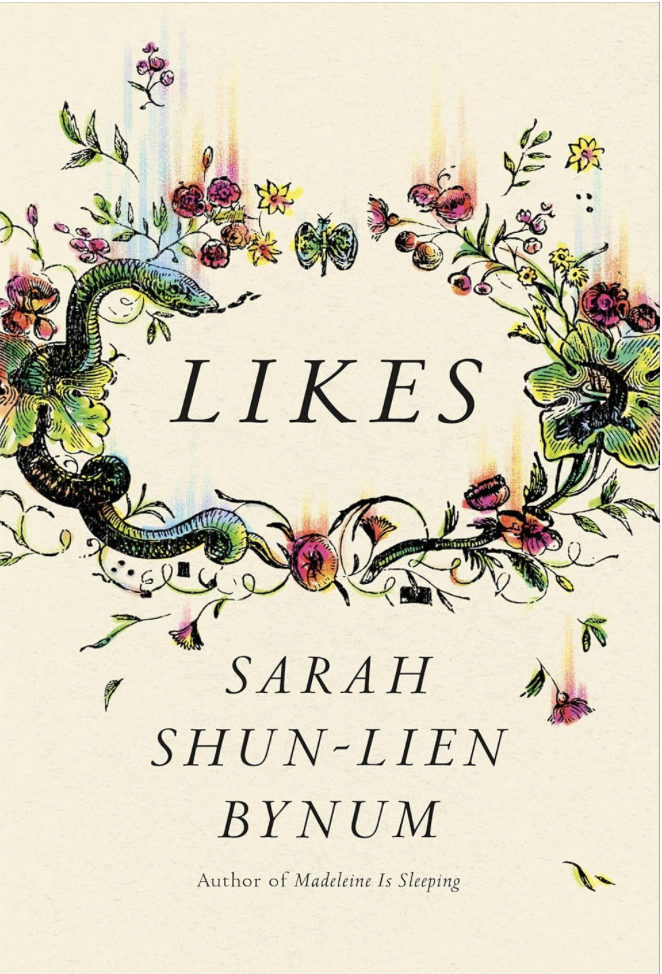
I did not think Likes measured up to my favorite collections of short-stories, but it was a good collection of mostly well crafted short stories, of varied technique. I liked the variation in technique, although it did make the book feel somewhat like an exploration of style in short story writing. I thought the standout was the first story, “The Erlking”. I thought this was fairly well crafted, and the author used mythology in an interesting way to explore the differences between the reasoning and wishes of a child as compared to her mother. She did not fall too deeply into mythological allegory. Bynum also managed the perspective of two entirely different voices beautifully. This was the story in which I got the fullest sense of the characters, mother and daughter, of emotional yearning on both sides. It was also perhaps the most difficult story, the one with the most ambiguity and least clear-cut answers, which to me were its strengths.
The other stories were good, well written, but nothing special. I felt most of them were rather trite and unsurprising, and there were with some issues with pacing and flow. I felt they were also light on character development. Still the book was charming and enjoyable. Perhaps I am too harsh a critic; these were stories of this particular cultural moment. I found no enlightenment in them, nothing that will stay with me over time.