Looking backward, I would say that July was not my best month. But I read a lot of books, and looking at them now, perhaps it was better than I thought. I am just going to post brief notes, not reviews.
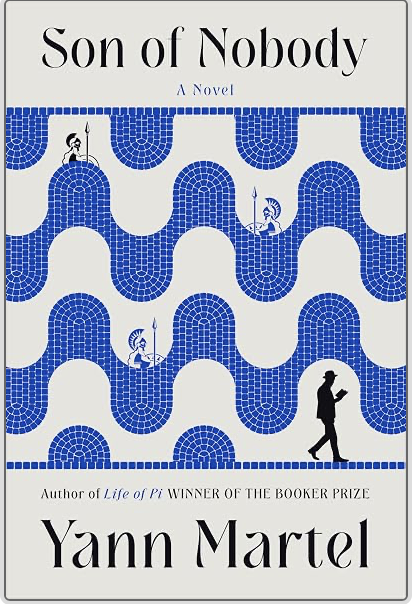
38. Son of Nobody: A Novel by Yann Martel. An ambitious, intellectually layered novel, literary fiction, probably less accessible than the author’s popular novel Life of Pi. Martel explores the relationship between the past and the present, and how our understandings and the stories we tell ourselves affect the ways we interact with the world. An unreliable narrator, alternating prose between the verse “fragment”, which again is unreliable, and the prose notes/musings/intrusions of reality. Highly recommended.
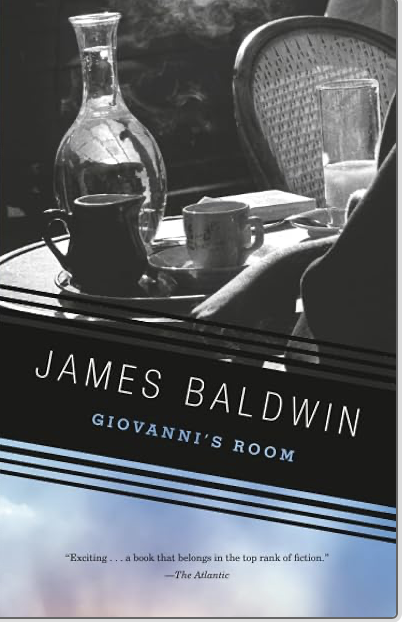
39. Giovanni’s Room by James Baldwin. Ostensibly a novel about young gay men in Paris, but that is just the surface. This was probably my third reading; the first was in college. For me, this is not Baldwin’s best novel, but I do think it is probably his most popular right now. Baldwin has written a powerful novel about a young man who is so deeply entangled in his own fear that he is lost and can no longer form human connections without damaging himself and others. Baldwin’s beautiful language, and the balance between powerful prose, with the confessional quality of the novel, makes the book almost terrifying. Gut-wrenchingly powerful and hauntingly beautiful.
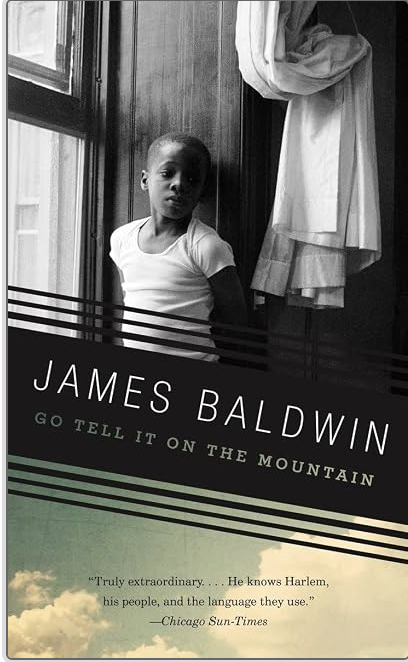
40. Go Tell It On the Mountain by James Baldwin. I reread this just because I was reading Giovanni’s Room, above. Purely on technical and literary merit, this one is higher in my estimation. But it is also harder for the reader. The contemporary reader can probably handle Baldwin’s use of religious language, Jamesian formality, and black idiom in the setting of a gay love story, above, more readily than his use of this same religious language to describe coming of age and first homosexual love in terms that echo religious zeal and spiritual awakening. Both novels are high achievements.
41. A Tale of Two Cities by Charles Dickens. I hadn’t read this book since the 1990s, and felt it was time. Just as powerful today as it was then, perhaps more so, because I am older and see the world. Beautiful, crass, ponderous, gripping; Dickens, for all his strengths and flaws, wields a powerful understanding of human nature.
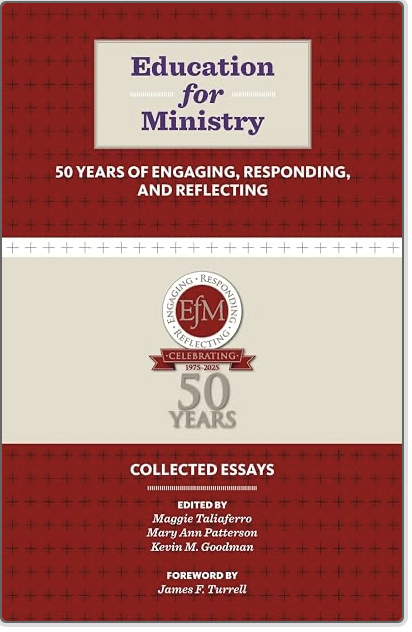
42. Education for Ministry: Fifty Years …. A friend left this for me to read because I am mentoring an EFM seminar, again, finally. Interesting.
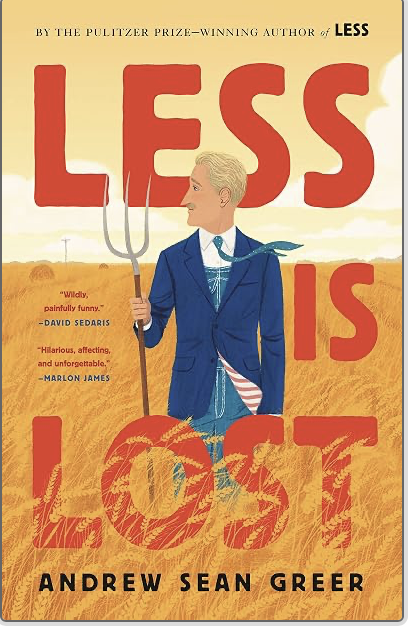
43. Less is Lost by Andrew Sean Greer. I needed a bit of a light refresher. Hysterically funny. Arthur Less is very much the personification of artlessness but the best part of this book may be the section with HHH Mandern, a brilliant, apparently barely fictionalized, roast of George R.R. Martin. I almost fell out of my chair I was laughing so hard.
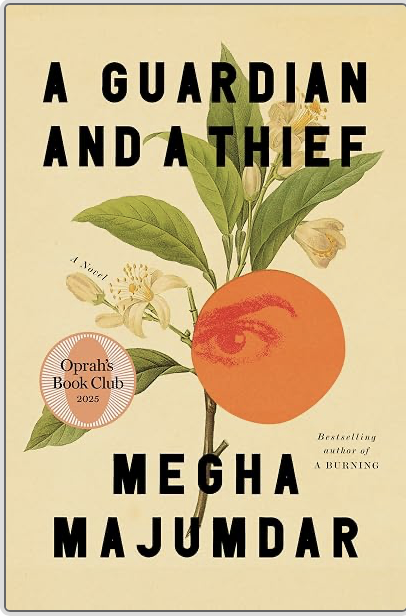
44. A Guardian and A Thief by Megha Majumdar. An upper middle class mother who is trying to emigrate to America, a lower class thief sho steals the family’s passports. In this thought provoking novel it becomes increasingly unclear who is the guardian and who is the thief, as desperate times bring out desperate responses in people who might otherwise consider themselves reasonable. A necessary tonic for those of us who might like to think that our own responses would be “better”.
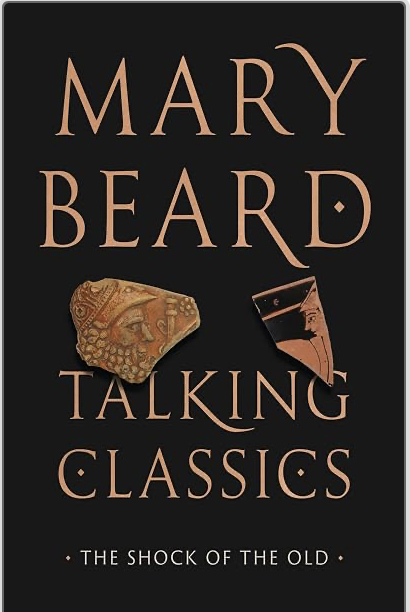
46, Talking Classics by Mary Beard. Although there is much about the classical world in this book, it is not so much a book about the classics as it is Mary Beard’s personal exploration of her life studying the past. Engaging. Beard also discusses what we can and cannot know about the past, the shock of discovering that the past was not necessarily what we wished it would be, and the ways our own experiences shape our interpretation of what is and is not “right”.
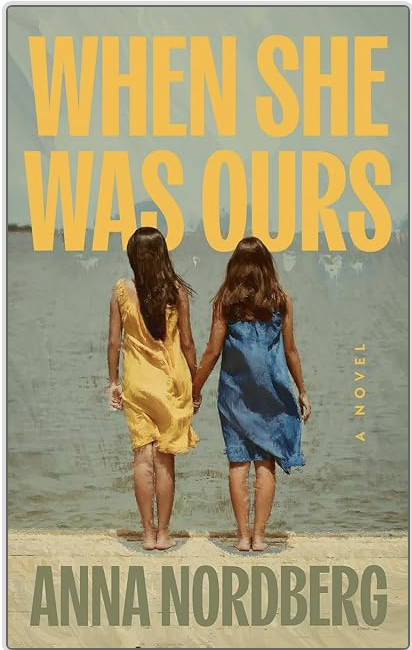
47. When She Was Ours by Anna Nordberg. A lightweight but charming little novel about a dying mother and her daughters. Fleeting . Truthfully, nearly two months later I’ve already almost forgotten it.
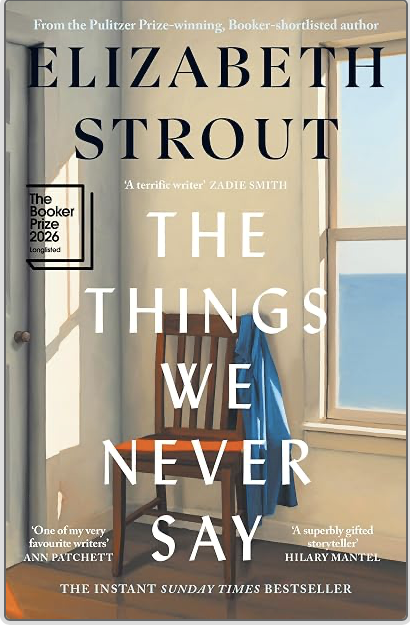
48. The Things We Never Say by Elizabeth Stroudt. I was admittedly not a fan of Olive Kitteredge. Still not a fan. But Stroudt’s more recent novels have captured my attention and I think this may be her finest yet. This novel seems more centered in the world, more centered in character and how the world affects that character, as opposed to characters relating the stories of others. This is very much Artie Dam’s story. But it is also an exploration of how little we actually know each other, even the people we believe we know the best, and how small kindnesses resonate in deeper ways than we imagine. It is nominated for a Booker. It is perhaps too conventional to win, but it is one of my favorites.
Leave a Reply